






There’s been a quiet shift in how we choose what to wear.
It’s no longer just about how something looks, but how it fits into the way we live — how often we reach for it, how long it lasts, and what it represents over time.
That’s where sustainable skorts start to stand out.
They’re not just a practical piece. They reflect a more considered way of dressing — one that values versatility, longevity, and intention, without giving up on style.
From Function to Freedom: What Skorts Have Always Represented
Skorts weren’t originally created to make a statement — they were designed to solve a problem.
Early versions appeared as a way for women to move more freely, especially in sports like cycling and tennis, at a time when clothing options were limited. One of the most notable moments came in 1931, when Spanish tennis player Lili Álvarez stepped onto the Wimbledon court in a divided skirt — a choice that challenged expectations far beyond sport.
What started as functionality gradually became something more.
Skorts began to represent a balance — between structure and ease, femininity and practicality, tradition and change. Over time, they moved beyond sport and into everyday wardrobes, not because they were trendy, but because they made sense.
Skorts as a Symbol of Women Empowerment
It took decades for skorts to become a classic fashion piece.
Preferences were changing and trends were as dynamic as ever. Deirdre Clemente, a professor of history specializing in the fashion industry at the University of Las Vegas, shared that skorts emerged as a statement against the masculine functionality of pants, but later dissolved once it became acceptable for women to wear.
Skorts were only rid of their fad nature by the 1960s with the emergence of the mini skirt and in no time, it was back in the trends. Thanks to this, women now had better and even more fashion choices that were not anymore limited to sports and running errands, enabling them to strike a balance in their personal and professional lives.
Today, skorts are a staple wardrobe piece that merges the elegance of a skirt and the practicality of shorts.
In a world where they are often expected to meet societal standards of being nurturing but ambitious, skorts provide the comfort that the modern woman needs, and the stylishness that the modern woman wants to achieve. This versatility makes skorts an ideal choice for women who refuse to be confined by tradition and eliminates the decision to pick from either style or functionality.
Sustainability in Skorts
Skorts are not only a versatile choice, but also a conscious one.
By offering flexibility in style, skorts help reduce the need for multiple pieces, supporting the creation of an eco-friendly capsule wardrobe. It also promotes the use of more sustainable materials in its production given its versatile pattern. Skorts in all kinds of different materials are now emerging for different consumer preferences.
The usage of eco-friendly fabrics such as organic cotton and recycled polyester not only decreases fashion’s environmental impact but also provides consumers with increased comfort and assurance of its sustainable origins.
While we are free to use fashion as a means of self-expression, it is important to note the responsibility of upholding sustainability that comes with it.
It is crucial to be aware of the brands we choose to support and what measures they are taking towards sustainable operations because while the fashion industry thrives on emerging trends and fads, it also possesses the characteristic of being a contributing factor to an environmental crisis.
The fast fashion industry in itself poses large risks to the state of our environment, generating 17 million tons of textile waste annually with approximately 85% ending up in landfills.
This industry is also responsible for around 10% of global carbon emissions, making it one of the most significant polluting sectors. Despite these challenges, fortunately, there is a growing consumer interest and demand for sustainable apparel, offering a chance for a long-term sustainable future.
In a report by McKinsey & Company (2022), data showed that 67% of consumers consider sustainability prior to making a purchase. In terms of textiles, it was also found that making the switch towards recycled fibers in clothing production greatly reduced carbon emissions by up to 70%.
By choosing to support brands that uphold sustainability, consumers have the power to drive purposeful change through conscious consumerism.
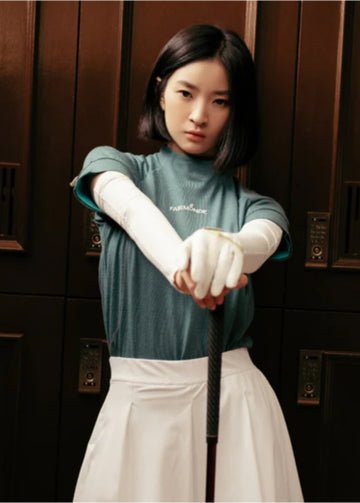
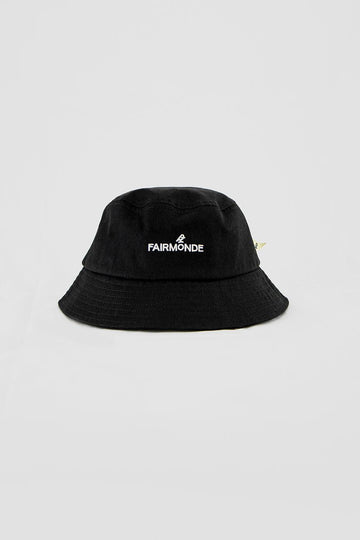
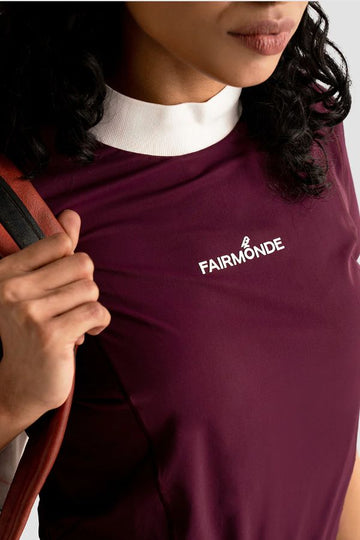
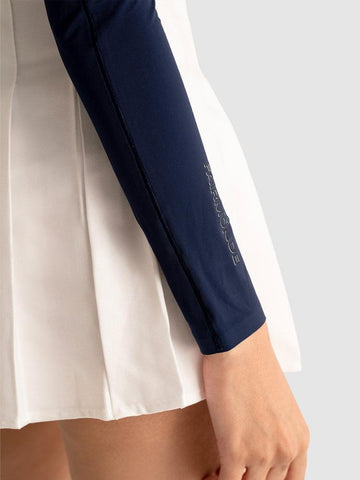
Multiple brands have made a conscious effort to integrate sustainability into their operations. Fairmonde Golf is an ideal example of this.
Known for our high-performance and sustainable golf apparel, we feature contemporary designs on yoga-inspired clothing, allowing our target market to style their Fairmonde pieces on and off the green. Committed to promoting environmental responsibility,
Fairmonde also uses sustainable materials through ethical practices in clothing production, upholding another key commitment in their sustainable efforts. By remaining true to its promise of providing stylish yet sustainable options to the growing population of female golfers, Fairmonde caters to the demand whilst promoting ethical practices.
|
Fairmonde Ace A-Line Skort - Navy  Access the skort here |
|
|
Fairmonde Double Pocket Skort - Black  Access the skort here |
|
|
Fairmonde Verve Side-Pleated Skort - Beige 
Access the skort here
|
Check out their website for more golf pieces!
Materials, Design, and What Sustainability Really Means
When we talk about sustainable skorts, it’s easy to focus only on fabric — organic cotton, recycled polyester, or lower-impact blends.
But sustainability goes beyond that.
It also shows up in:
- how a piece is constructed
- how it holds its shape after multiple wears
- whether it remains relevant beyond a single season
The goal isn’t to constantly replace what you own, but to build a wardrobe that lasts.
Because in reality, the most sustainable piece is often the one you continue to wear.
The Cultural Impact of Golf Skorts
Clemente said it best, “Skorts represent the compromise between the offensive–shorts– and the polite, the skirt.” which goes to show how impactful the trend is on culture and tradition.
Skorts made way for multiple body types to feel at ease in their own skin, all the while challenging its traditional narrative of being for a specific market only. Not to mention, its hybrid design allowed for women to seamlessly go through their day without the need to change clothes.
This type of universality also transcends out of women’s fashion as it was originally created to purposely blur the lines between male and female clothing in the name of comfort and style. The structure of this garment has effectively foreshadowed the state of fashion in the modern world where gender neutrality is the standard.
Today, as we celebrate individuality and fluidity through fashion, skorts puts itself at the forefront of this movement, offering itself as an option for personal preference rather than conformity to societal expectations. This notable shift is a huge step towards the broader cultural acceptance of diversity in today’s society.
Skorts have also become an integral part of the body positivity movement, providing a comfortable and flattering option for all.
In its roots, the skort was made to combine the masculinity of the shorts with the femininity of the skirt, making it an encouraging option to dress for their preference and their preference only. Additionally, its design allows it to adapt itself to various body types given its combination of the short and the skirt. The inclusive nature of skorts mirrors the goals of the body positivity movement, celebrating gender neutrality and diversity through clothes without judgement.
Culturally, the skort has come a long way from its original purpose. Today, it emerges in a plethora of styles and continues to be developed in ways that support the dynamic shift in fashion norms and values.
From the work day to the casual weekend, skorts are making a name for themselves across the globe, proving the universal desire of consumers for more versatile fashion options without compromising one function over the other. This global demand translates itself to be the acceptance of more functional clothing that is also non-hindering to self-expression.
Skorts are not anymore just a wardrobe staple, but also a powerful representation of modern fashion values.
Activism Through Fashion
Skorts are not just an embodiment of the changing times; they are also a declaration of activism towards women’s rights and environmental sustainability.
Similar to graphic tees with social messages, skorts are a prime example of how clothing can make a statement beyond aesthetics. Having been made and popularized in a time where fashion was gender-specific, skorts have always been a part of activist fashion. The way in which it combines femininity and masculinity is symbolic to the struggles that women face today.
Often times, even in a more progressive society, societal expectations when it comes to clothing are still expected, but at least with skorts and how it is able to brand itself as a versatile garment that defies gender norms, individuals consciously contribute to a more inclusive fashion movement.
Looking back at Wimbledon 1931, we can recall how skorts started out as a revolutionary garment for female athletes. While it graced women with more freedom, literally and figuratively, it sparked social change among the fashion industry, making way for even more revolutionary clothing that made statements for social causes.
It was also able to facilitate a domino effect in women empowerment given that it also paved the way for women’s rights to wear what was once deemed as “men’s clothing”. For one, contemporary fashion has even used skorts as a symbol of social change by highlighting their functional and stylish attributes and encouraging more women to make skorts a part of their active lifestyle.
The evolution of skorts from statement to staple has surely highlighted the impact fashion has on societal issues, leaving the unique decision up to the consumer to partake in this movement.
Visual Examples
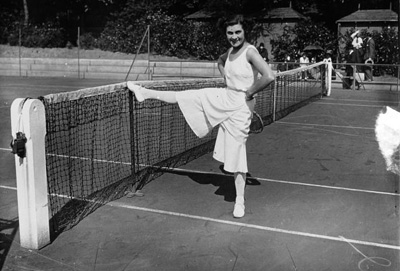 Spanish tennis player, Lili Alvarez, makes history at Wimbledon 1931 not just for her victory, but for sporting one of the first skort iterations. |
 Skorts for men featured in Fendi’s Fall 2024 Collection. |
 Having come far from traditional tennis outfits, Naomi Osaka graces the U.S Open with a Nike x Yoon Ahn collaboration that features the modern bow trend and the classic skort elements. |
Final Thought: Choosing What Lasts
In conclusion, skorts embody the dual transformative nature of fashion. One being able to transform one’s identity into something that they wholeheartedly identity with, and the other being one that showcases meaningful activism in a crucial time for change.
While fashion is most associated with stylishness, it also comes hand-in-hand with storytelling and advocacy in ways that it allows us to express what we resonate with without the use of words or actions. Skorts have not only become a testament to the changing times, but also a driving force towards a more sustainable fashion era.
Because at some point, you stop chasing newness for its own sake.
You start noticing what you actually wear — what feels right, what holds up, what fits into your life without needing to be adjusted.
Sustainable skorts tend to fall into that category.
Not because they’re trying to make a statement, but because they quietly do — through how they’re made, how they’re worn, and how long they stay in your wardrobe.
Nowadays, the impact of skorts extends beyond its functionality and style. It now represents a broader movement and will continue to do so as fashion evolves and adapts to global trends.


