



You’ve probably had that moment before a round where everything looks right. Outfit’s clean, gloves are in, balls accounted for, maybe even a quiet sense that today might be one of those good days.
Then somewhere around hole four, the sun sharpens, your face starts to feel tight, your neck is taking more heat than you expected, and suddenly the round feels… heavier than it should.
Not dramatically worse. Just slightly more uncomfortable. Slightly more distracting.
That’s usually where most golfers realize—too late—that sun protection isn’t just about remembering sunscreen. It’s about what you chose to wear from the start.
And more often than not, the missing piece is a proper bucket hat for golf.
Not because it looks good (although it can), but because it does something most golfers underestimate—it protects the areas you didn’t think about until it’s too late.
The right bucket hat doesn’t just “complete the outfit.” It quietly stabilizes your entire round. So if you’ve been wondering which bucket hats for golf actually work—and which ones are just there for aesthetics—this is the version that cuts through it.
Why golf sun protection is more than just sunscreen
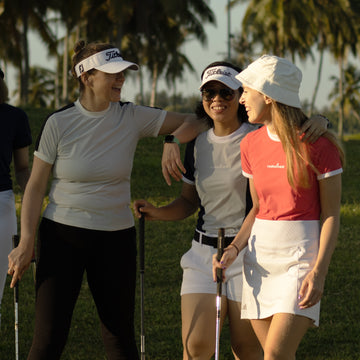
 Image from Pexels
Most people still treat sun protection like a single decision. Sunscreen on, problem solved. But that’s not how it plays out across four hours of exposure.
According to the American Academy of Dermatology, effective protection works best as a combination—clothing, shade, and sunscreen working together, not in isolation. Sunscreen wears off, sweat interferes, and reapplication is inconsistent at best.
The Centers for Disease Control and Prevention goes further, noting that hats with full brims offer more complete coverage for areas golfers tend to miss—ears, neck, and sides of the face. A cap protects the front. A bucket hat protects the round.
That difference sounds small on paper. On the course, it isn’t.
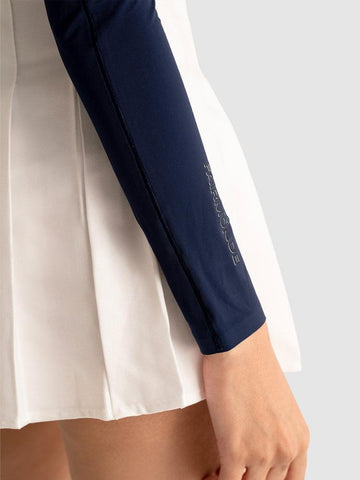
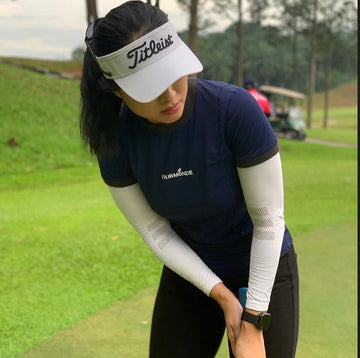
And this is where Golf Arm Sleeves enter the conversation. They solve the same problem—just for a different part of your body. Instead of committing to long sleeves in heat, you get targeted coverage, often with cooling fabrics that actually make you feel less overheated rather than more.
Put the two together, and you’re no longer patching gaps. You’re building coverage that works with how golf is actually played.
Why bucket hats are quietly outperforming caps
There’s been a shift over the last few years. Not loud. Not trend-driven in the usual way. But noticeable if you pay attention.
Caps used to dominate because they were simple. Familiar. Safe. Bucket hats felt… optional, maybe even slightly awkward depending on the design.
That’s changed for a reason.
According to the Skin Cancer Foundation, wider brims significantly improve UV protection by covering areas that sunscreen alone often misses. That’s not theoretical—it directly applies to golfers who spend prolonged time in open sun with minimal shade.
And then there’s comfort, which matters more than people admit.
Psychology Today highlights that part of golf’s appeal lies in immersion and sustained focus. Small physical irritations—heat, glare, discomfort—chip away at that state. You don’t notice them immediately. You notice them when your patience shortens or your swing tightens.
A good bucket hat doesn’t improve your game directly. It removes the things that interfere with it.
What actually matters when choosing a golf bucket hat
There’s a tendency to overcomplicate gear decisions. But when you strip it down, a few things matter more than everything else.
1. Coverage (this is non-negotiable)
If sun protection is your priority, brim width and shape matter more than branding or aesthetics.
The Centers for Disease Control and Prevention specifically recommends hats that shade the face, ears, and neck. That means full 360-degree coverage. Not just a front-facing brim.
If your hat doesn’t do that, you’re compensating elsewhere—with sunscreen, with discomfort, or both.
2. Fabric and breathability
There’s a trade-off here that most people don’t think about.
Tighter weaves offer better UV protection. The Centers for Disease Control and Prevention notes that materials like canvas block more UV than loosely woven fabrics.
But if the hat traps heat, you won’t wear it properly. So the best designs balance structure with airflow—vent panels, moisture-wicking linings, or lighter synthetic blends.
3. Stability in real conditions
Golf isn’t static. Wind matters. Walking matters. Bending, swinging, adjusting—these all test how a hat actually performs.
Drawstrings, internal bands, or storm straps aren’t aesthetic features. They’re the difference between a hat you forget about and one you keep adjusting all round.
4. Weather alignment
Be honest about where you play.
If you’re in tropical heat, prioritize ventilation and sweat management. If your rounds involve unpredictable rain, water resistance becomes non-negotiable.
Buying a “perfect” hat for conditions you rarely experience is how gear ends up unused.
5. Style (yes, it matters)
People pretend this doesn’t matter. It does.
If you feel slightly off wearing something, you won’t reach for it consistently. And consistency is what actually protects you.
The best golf bucket hat is the one you don’t hesitate to wear.
The best golf bucket hats for 2026 (by real use case)
Instead of just listing products, let’s simplify the decision.
If you want one hat that just works → start here
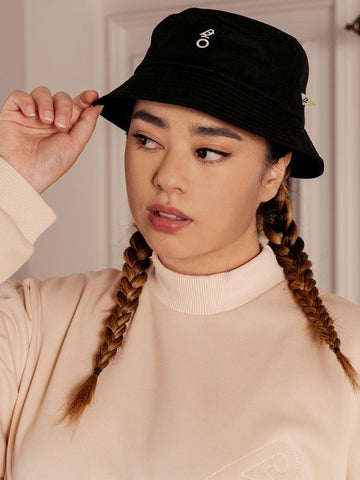
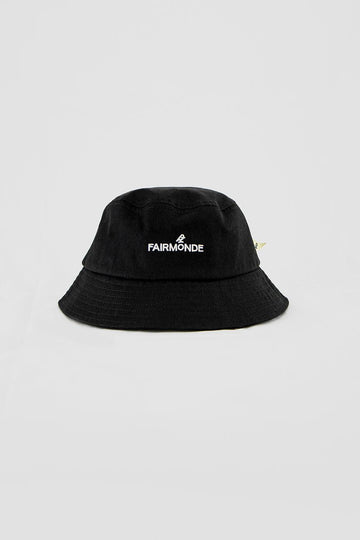
Fairmonde Birdie Bucket Hat
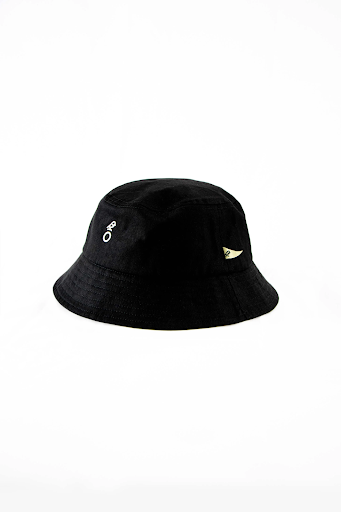
This is the easiest entry point because it balances style and function without leaning too far into either.
Soft cotton, clean structure, adjustable fit—it doesn’t try to be overly technical, but it also doesn’t feel like a fashion-only piece. If you want something you’ll actually wear consistently, this is one of the safest picks.
If durability matters more than anything
Tilley T1 Bucket Hat
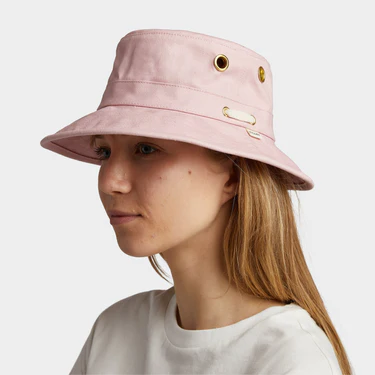
This is less about style, more about longevity.
Thicker canvas, structured feel, and a reputation for lasting years. It’s the kind of hat that feels slightly overbuilt—until you’ve worn it through enough rounds to understand why.
If you want proper golf-specific design
Titleist Tour Aussie
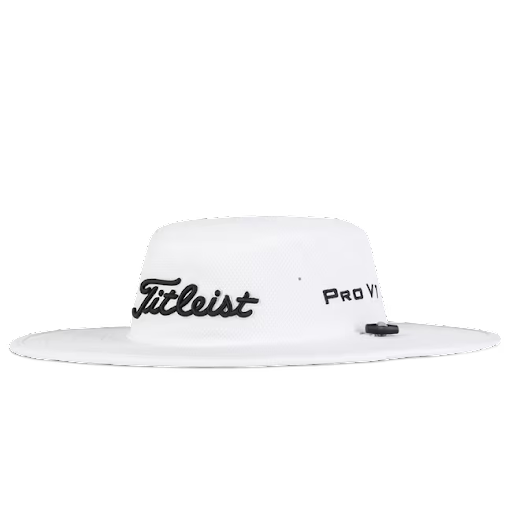
There’s a reason you see this on courses everywhere.
Wide brim, adjustable fit, no unnecessary features. It’s built specifically for golf conditions, not adapted from general outdoor use.
If you play in rain or unpredictable weather
Galvin Green Waterproof Bucket Hat
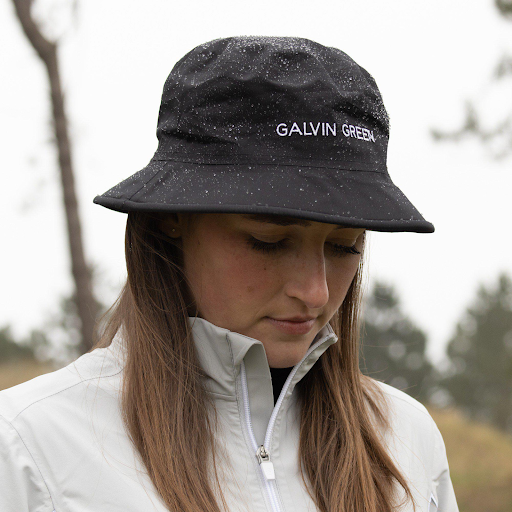
This is function-first.
Extended brim at the back, waterproof material, storm-ready design. It’s not the most stylish option here, but on wet rounds, that becomes irrelevant very quickly.
If heat is your biggest problem
Under Armour Iso-Chill ArmourVent Bucket
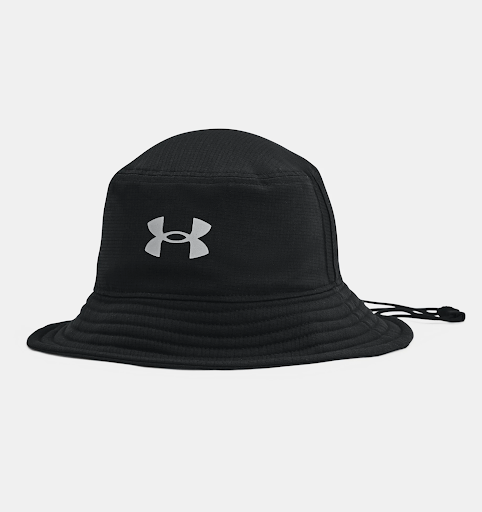
This one prioritizes airflow.
Mesh panels, lightweight construction, quick-drying fabric. If you tend to overheat or sweat heavily, this will feel noticeably more comfortable than heavier cotton options.
If you want a clean, modern look
Nike Bucket Hat
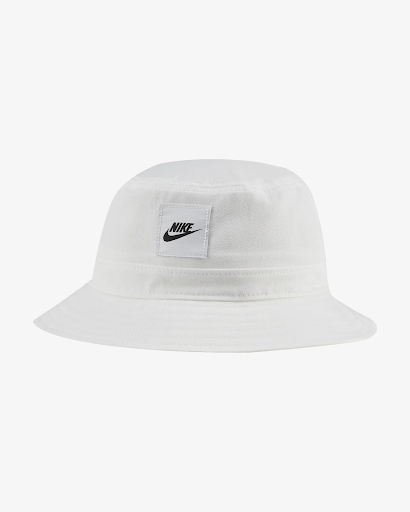
Minimal branding, light fabric, and easy styling.
It works on and off the course, which is part of the appeal. Not ideal for rain, but strong for hot, dry rounds.
If sun protection is your top priority
Coolibar Matchplay Hat
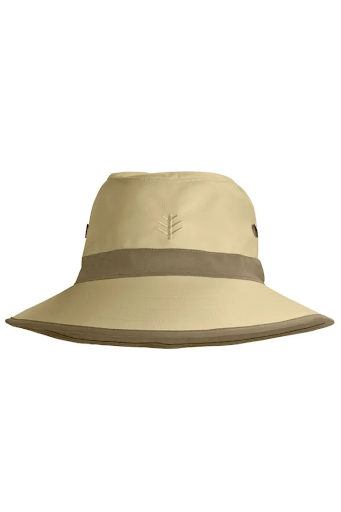
This leans heavily into UPF-rated fabrics.
According to the Skin Cancer Foundation, UPF 30+ fabrics significantly reduce UV exposure. This is built with that in mind, making it a strong option for intense sun conditions.
If you want personality over uniformity
WADDAPLAYA Bucket Hat
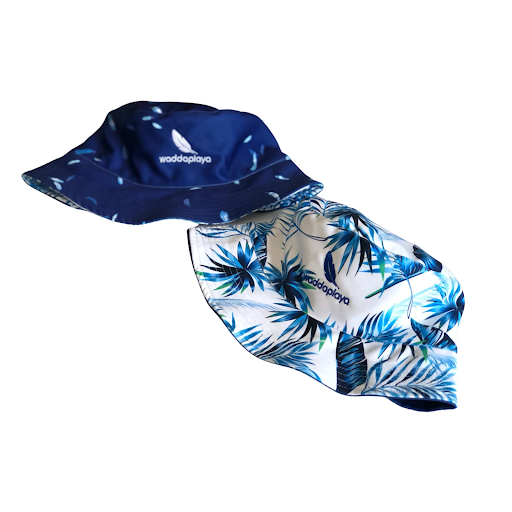
This is where function meets expression.
Patterns, color, and a less traditional aesthetic. Not for everyone, but if you’re tired of neutral, this shifts the tone of your entire outfit.
Bucket hats vs caps vs Golf Arm Sleeves: what actually works best?
This isn’t a competition. It’s a layering system.
Caps protect the face. Bucket hats extend that protection to the ears and neck. The Centers for Disease Control and Prevention specifically notes that caps leave those areas exposed unless you compensate with other protection.
Golf Arm Sleeves handle the forearms. They’re especially useful because they allow flexibility—you can remove them, adjust them, or combine them with short-sleeve tops.
When you combine:
-
Bucket hat (top coverage)
-
Golf Arm Sleeves (arm protection)
-
Sunscreen (base layer)
You’re covering exposure from multiple angles without relying on one solution to do everything.
That’s where the system starts to make sense.
If you don’t want to overthink it, here’s the shortcut
If you just want a decision without analysis:
-
Best overall: Fairmonde Birdie Bucket Hat
-
Best for heat: Under Armour Iso-Chill
-
Best for rain: Galvin Green Waterproof
-
Best for sun protection: Coolibar Matchplay
-
Best classic golf option: Titleist Tour Aussie
Pick based on your most common playing condition. Not your ideal one.
The part most people underestimate
Sun protection doesn’t feel important at the start of the round.
You notice it later. When your focus dips slightly. When your skin feels tighter. When you start adjusting instead of playing.
That’s the real role of a good bucket hat—and why pairing it with Golf Arm Sleeves makes more sense than treating them separately.
You’re not trying to optimize performance directly. You’re removing small variables that quietly interfere with it.
And over four hours, those small things add up.
FAQs: Bucket Hats for Golf
1. Are bucket hats actually better than caps for golf sun protection?
If sun protection is your priority, yes. Bucket hats for golf provide 360° coverage for your face, ears, and neck, while caps mainly protect the front. According to dermatology guidelines, that extra coverage can make a noticeable difference over long, exposed rounds.
2. Will a bucket hat affect my swing or visibility on the course?
Not if you choose the right one. Well-designed bucket hats for golf use structured or slightly angled brims that protect without blocking your line of sight. In fact, many golfers find they reduce glare and eye strain, making it easier to stay focused.
3. What makes a good bucket hat for golf in hot weather?
Look for lightweight, breathable fabrics with moisture-wicking properties and ventilation panels. The best bucket hats for golf keep you cool while still offering enough coverage, so you’re protected without feeling overheated halfway through your round.
Final thoughts: it was never just about the hat
Right back to that moment at the start.
Everything looked fine. Nothing felt obviously wrong. But something was missing.
It wasn’t just a hat. It was coverage. It was comfort. It was the difference between reacting to the heat and being quietly prepared for it.
According to the American Academy of Dermatology, consistent protection—especially through clothing and shade—is far more effective than relying on sunscreen alone.
That’s where bucket hats for golf come in.
A good one doesn’t feel like an extra step. It feels like something that should have been part of your routine all along. It reduces glare, shields your skin, and removes small distractions that build up over the course of a round.


